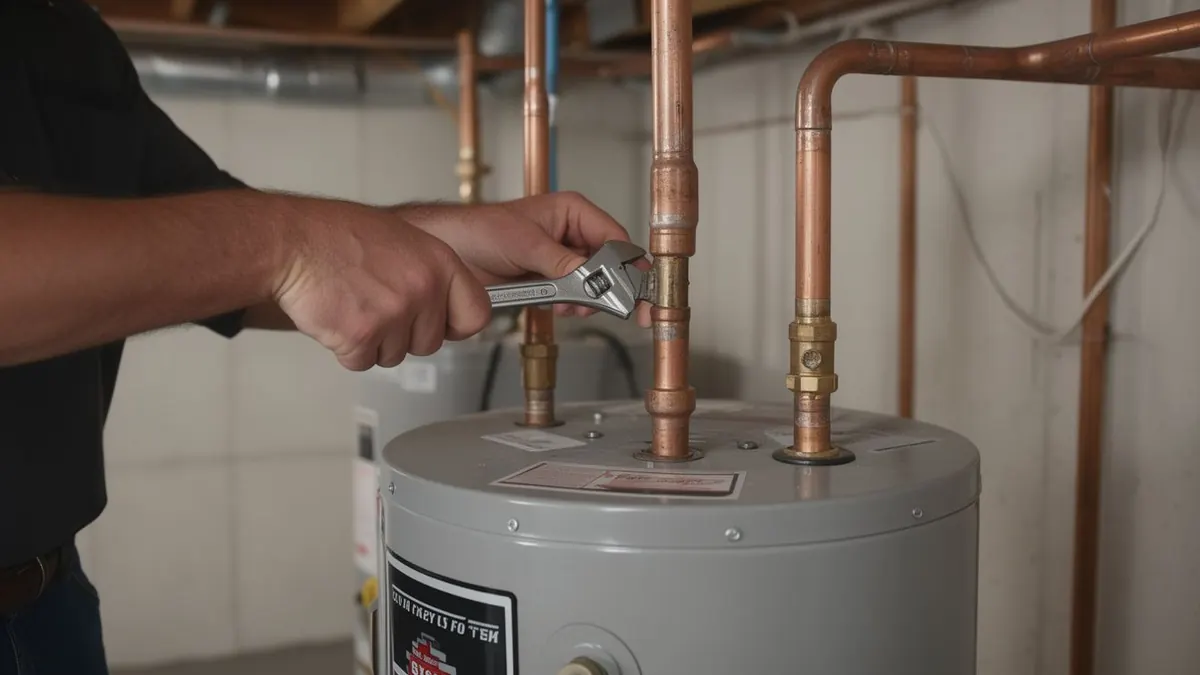
Most of Colorado's population lives above 4,500 feet, and much of the Denver metro sits around 5,000–6,000 feet. At these elevations the air holds less oxygen, which affects how gas appliances burn. That's why water heater installation in Colorado has a few extra requirements.
Why altitude matters
Gas burners need the right ratio of fuel to air. With thinner air, a burner set up for sea level can burn rich, which can reduce efficiency and increase carbon monoxide risk. Manufacturers therefore specify altitude adjustments — often called derating — above about 2,000 feet. The National Fuel Gas Code's general rule is to reduce input by about 4% per 1,000 feet above sea level unless the manufacturer's instructions say otherwise.
What it means for your installation
- Choose a model certified for your elevation; many units list a maximum altitude.
- The installer follows the manufacturer's high-altitude instructions, which may include specific orifices, settings or kits.
- Venting must be correct for the unit and the altitude.
- A permit and inspection are required in most Colorado jurisdictions.
- Install a carbon monoxide alarm near sleeping areas if you have gas appliances.
Tankless water heaters at altitude
Tankless output (gallons per minute) can be lower at altitude, and Colorado's cold winter inlet water already demands more capacity. A plumber should size the unit using its rated output at your elevation and winter water temperatures. See tankless water heaters.
Questions to ask your installer
- Is this model rated for our elevation?
- Will you follow the high-altitude instructions and settings?
- Is the venting and combustion air correct for this location?
- Will you pull the permit?
Frequently asked questions
Do electric water heaters need altitude adjustments?
No combustion is involved, so electric tank and heat pump water heaters don't need derating.
Can a sea-level water heater be used in Denver?
Only if the manufacturer certifies it for that elevation and it's set up per their altitude instructions.
Does altitude change the boiling point of water in my heater?
Water boils at a lower temperature at altitude, but water heaters are pressurized and set well below boiling, so normal settings still apply.